
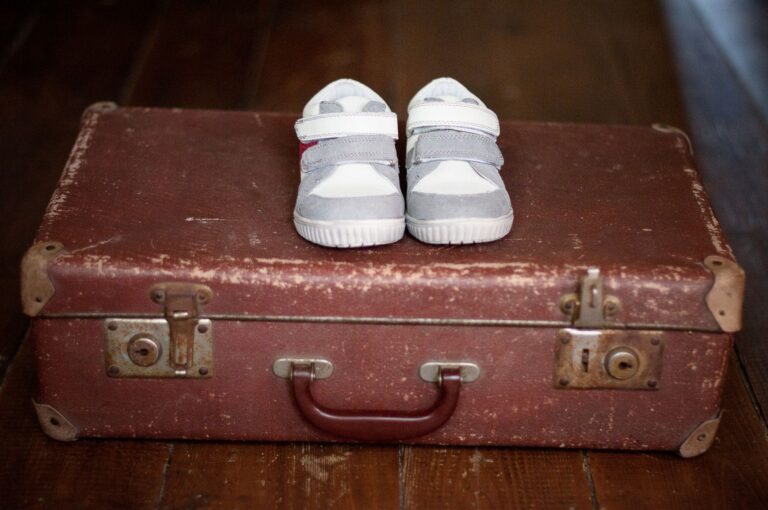
Traveling with infants and young children requires a fundamentally different packing strategy than adult-only trips, as caregivers must account for rapid developmental changes, unpredictable schedules, and the specialized gear that supports early childhood needs. The challenge intensifies when crossing time zones, navigating unfamiliar climates, or accessing limited infrastructure in remote destinations. Understanding what to prioritize—and what to leave behind—transforms family travel from a logistical nightmare into a manageable adventure.
The Core Principle: Packing for Unpredictability and Growth
The foundation of packing with babies and toddlers rests on accepting that infants change rapidly and their needs shift without warning. A six-month-old’s sleep requirements differ dramatically from a twelve-month-old’s schedule, and a toddler’s appetite and mobility create entirely new demands. Rather than packing for a single predictable scenario, successful travelers build flexibility into their luggage by including items that address multiple age-related situations and unexpected developments.
Pediatrician and travel medicine specialist Dr. Mark Wise has documented that families who pack modular systems—organizing items by function rather than by destination day—reduce travel stress significantly. This approach allows caregivers to adapt their supplies based on actual conditions encountered, rather than rigidly following a predetermined list that may not match reality.
Clothing: Layering and Redundancy as Strategy
Infants and toddlers soil clothing at unpredictable rates, making redundancy essential rather than excessive. Pack three to four complete outfit changes per day of travel, accounting for feeding accidents, diaper blowouts, spit-up, and weather variations that require layering. Prioritize soft, breathable fabrics like cotton and merino wool blends, which regulate temperature effectively without irritating sensitive skin and dry quickly if hand-washed in a hotel sink.
Travel writer and parent Heather Poole, who has documented family travel logistics across five continents, recommends packing one size larger than the child’s current size to accommodate growth during extended trips. For infants under twelve months, include several sizes of socks and mittens, as these items are frequently lost and are difficult to replace in unfamiliar locations.
Feeding Supplies: Adaptation Across Different Destinations
Feeding infrastructure varies dramatically across destinations, requiring caregivers to prepare for scenarios ranging from formula scarcity to unfamiliar food safety standards. Parents bottle-feeding should pack powdered formula in sealed containers, sterilizing tablets or a portable sterilizing bag, and backup bottles made from durable materials that withstand repeated washing. Traveling families should research destination water quality in advance—the World Health Organization maintains country-specific water safety data that helps determine whether bottled water is necessary for formula preparation.
For solid-food-eating toddlers, portable feeding systems like collapsible bowls, soft-tipped spoons that prevent gum damage, and high-chair seat straps that secure to restaurant chairs expand dining options significantly. Parents introducing solid foods during travel should pack single-serving freeze-dried fruit and vegetable packets, which require only water and eliminate concerns about fresh produce safety in regions with different food handling standards.
Sleep Systems and Comfort Objects: Supporting Rest Across Environments
Sleep disruption during travel affects not only the child but the entire family’s ability to function and enjoy destinations. Portable sleep solutions range from lightweight travel cribs that fold into compact bundles to inflatable toddler beds that occupy minimal luggage space while preventing falls from adult beds. Beyond physical sleep structures, comfort objects—a specific stuffed animal, blanket, or pacifier—become exponentially more valuable when the sleep environment changes, as these items provide psychological continuity that helps infants and toddlers transition between locations.
Sleep researcher Dr. Jodi Mindell’s studies on childhood sleep during travel show that children who maintain consistent bedtime routines—even abbreviated versions—experience fewer sleep disruptions than those whose routines change completely. Packing items that support familiar routines, such as a specific nightlight, white noise machine, or bedtime book, improves sleep quality across multiple nights of travel.
Health and Safety Supplies: Preparation for Medical Uncertainty
Medical resources vary significantly between destinations, making a comprehensive health kit essential for families traveling with young children. Include age-appropriate fever reducers, antihistamines for allergic reactions, oral rehydration salts for diarrhea management, and any prescription medications in original labeled containers with copies of prescriptions. Additionally, pack a basic first-aid kit containing sterile gauze, medical tape, antibiotic ointment, and tweezers for splinter removal—items that are either unavailable or prohibitively expensive in some destinations.
The Centers for Disease Control and Prevention recommends that families traveling internationally consult healthcare providers at least four to six weeks before departure to address vaccination schedules and obtain documentation. Carrying copies of vaccination records, birth certificates, and any relevant medical history allows rapid communication with local healthcare providers if urgent medical situations develop.
The Evolution of Baby Travel Gear: From Necessity to Innovation
Baby travel equipment has transformed dramatically over the past fifty years, reflecting broader changes in family travel culture and manufacturing capabilities. In the 1970s, families traveling with infants relied on heavy wooden travel cribs and rigid folding strollers that consumed significant luggage space, often requiring separate shipping ahead of trips. The introduction of lightweight aluminum frames in the 1980s and soft-sided travel cribs in the 1990s fundamentally changed what families could realistically pack, making international travel with infants substantially more feasible.
Modern travel gear reflects this evolution: the UPPAbaby Vista stroller, introduced in 2007, incorporated features specifically designed for international travel, including one-handed folding and compatibility with multiple car seat systems. Contemporary families benefit from innovations like compact diaper-changing pads that attach to luggage, collapsible bottle drying racks, and travel-sized humidifiers that address common infant health concerns without requiring significant luggage space.
Frequently Asked Questions
How much extra luggage space should I plan for when traveling with a baby or toddler?
Most families traveling with children under three years old should plan for approximately fifty percent additional luggage capacity beyond what they would pack for themselves alone. This accounts for diapers, wipes, clothing redundancy, feeding supplies, and specialized gear—items that compress minimally and cannot be significantly reduced without compromising the child’s comfort and safety.
Can I buy diapers and formula at my destination, or should I pack these items?
In developed nations and major cities, diapers and formula are widely available, though brands and sizing may differ from home markets. In remote areas, rural regions, or developing nations, these items may be unavailable or significantly more expensive, making it prudent to pack at least a three-day supply as backup and research destination availability in advance.
What items should I prioritize if I can only pack carry-on luggage?
Prioritize medications, feeding supplies for the flight duration, a change of clothes for the child, comfort objects, and any specialized gear like a portable changing pad. Diapers, wipes, and bulkier items can be checked or purchased at the destination, but comfort items and feeding supplies directly affect the child’s behavior and safety during flight.
Successful travel with babies and toddlers depends not on exhaustive packing lists but on understanding the child’s actual needs, researching destination resources, and building flexibility into luggage systems. Families who approach packing strategically—prioritizing adaptability over completeness—find that traveling with young children opens destinations and experiences that enrich family bonds and create lasting memories.
