
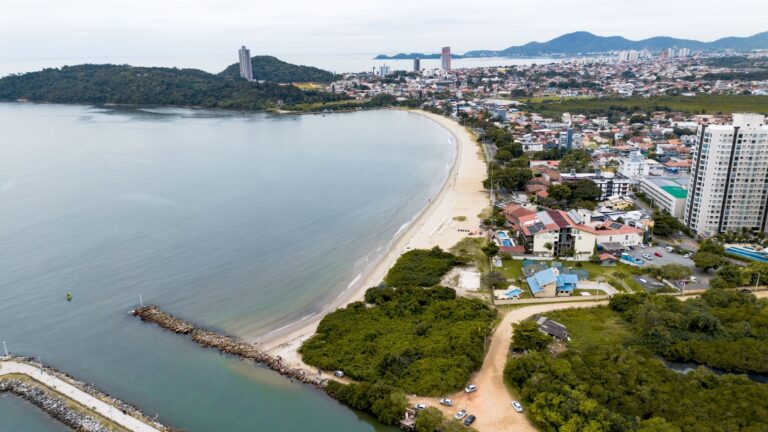
Brazil’s coastline stretches for 4,654 miles along the Atlantic Ocean, offering some of the world’s most diverse and spectacular beach destinations. From the turquoise waters of the Northeast to the rugged cliffs of the South, Brazilian beaches deliver distinct experiences shaped by regional geography, culture, and climate patterns. Understanding which beaches match your travel style requires knowledge of each region’s unique characteristics, accessibility, and what makes them worth the journey.
Understanding Brazil’s Coastal Regions and Their Geographic Advantages
Brazil divides into distinct coastal regions, each offering different beach experiences based on latitude, ocean currents, and local infrastructure. The Northeast coast, encompassing states like Bahia, Pernambuco, and Ceará, features warm year-round waters, white sand beaches, and strong trade winds ideal for water sports. The Southeast region, including São Paulo and Rio de Janeiro states, combines urban accessibility with dramatic mountain backdrops and cooler Atlantic currents. The North, dominated by the Amazon’s influence, presents unique ecosystems where river meets ocean, while the South offers cooler waters and European-influenced beach towns.
The Northeast receives approximately 300 days of sunshine annually, making it the most reliably sunny region for beach travel. Cities like Salvador, the former capital of Brazil, developed as major coastal hubs beginning in 1549, establishing the Northeast as Brazil’s primary beach tourism destination. The region’s positioning near the equator ensures consistent water temperatures between 77°F and 86°F throughout the year, eliminating seasonal cold-water concerns that affect southern beaches.
The Northeast’s Premier Destinations: Tropical Paradise Standards
Fernando de Noronha, a UNESCO World Heritage site located 354 kilometers off Pernambuco’s coast, represents Brazil’s most pristine beach destination. This archipelago of 21 islands features crystal-clear waters, minimal development, and protected marine life including sea turtles and reef sharks. Access requires advance permits and ferry passage, limiting daily visitors to approximately 460 people, which preserves the islands’ ecological integrity and creates an exclusive experience unavailable at mainland beaches.
Jericoacoara in Ceará state offers a contrasting Northeast experience with its famous sand dunes, freshwater lagoons, and bohemian village atmosphere. The beach gained international recognition after Brazilian newspapers featured it in the 1980s, transforming it from an isolated fishing village into a destination attracting adventure travelers and water sports enthusiasts. The town restricts vehicular traffic in its center, maintaining pedestrian-only streets that preserve its character despite growing tourism.
The Southeast’s Iconic Coastal Experiences and Urban Integration
Rio de Janeiro’s Copacabana and Ipanema beaches represent the intersection of urban culture, sports infrastructure, and natural beauty within a major metropolitan area. Copacabana’s 4-kilometer crescent of sand has hosted Olympic beach volleyball competitions, international surfing championships, and serves as a cultural gathering point documented in Brazilian music and literature since the 1920s. These beaches offer immediate access to restaurants, accommodations, and transportation networks, making them ideal for travelers combining beach time with city exploration.
Angra dos Reis, a coastal municipality south of Rio, comprises over 365 islands and coves accessible by boat tours. The region’s protected status as part of the Costa Verde (Green Coast) conservation area maintains its ecological value while offering activities like snorkeling, island camping, and seafood dining. Day trips from Rio reach Angra in approximately two hours by car, providing an accessible alternative to more remote destinations.
Historical Development of Beach Tourism and Modern Infrastructure Evolution
Brazilian beach tourism developed significantly after World War II, when improved transportation and economic growth made coastal destinations accessible to middle-class travelers. The construction of the Brasília-Rio highway in the 1960s connected inland populations to coastal areas, while the development of international airports in Salvador, Recife, and Rio created entry points for international visitors. The 1980s and 1990s saw explosive growth in Northeast tourism, with all-inclusive resorts and beach clubs establishing standardized infrastructure across Bahia and Ceará.
Praia da Pipa in Rio Grande do Norte exemplifies this modernization pattern, evolving from a quiet fishing village in the 1990s into a sophisticated beach town with restaurants, boutique hotels, and adventure tourism operators. The beach’s dramatic red cliffs, 35-meter-high rock formations, and nearby dolphin-spotting opportunities attracted growing numbers of visitors, prompting infrastructure development that balanced tourism growth with environmental protection. The town now hosts approximately 100,000 visitors annually while maintaining its laid-back character.
Practical Considerations for Beach Selection and Accessibility
Water temperature, wave conditions, and accessibility determine which beaches suit specific travel objectives and skill levels. Beaches in the Northeast maintain warm water year-round, attracting swimmers and snorkelers, while southern beaches like Praia do Rosa in Santa Catarina offer cooler water and powerful waves appealing to experienced surfers. Some beaches feature reef protection that creates calm lagoons suitable for families, while others face open ocean swells requiring water sports experience or supervised instruction.
Transportation logistics significantly impact beach accessibility and trip planning timelines. Beaches near major cities like Rio and Salvador offer bus and car rental access, while remote destinations like Jericoacoara or the Lençóis Maranhenses require domestic flights followed by overland travel. Budget travelers can reach most Northeast beaches via long-distance buses costing $20 to $50 for overnight journeys, while private transportation and package tours cost substantially more but reduce travel time and logistics complexity.
Frequently Asked Questions
What is the best time of year to visit Brazilian beaches?
Brazilian beaches remain visitable year-round due to the country’s tropical and subtropical climate, though specific regions have optimal periods. Northeast beaches maintain warm, swimmable conditions throughout the year, while southern beaches experience cooler water during their winter months (June-August). Rainfall patterns vary by region, with the Northeast experiencing drier conditions and the South occasionally receiving rain during winter months.
How much does it cost to visit popular Brazilian beaches?
Beach destinations accommodate all budget levels, from backpacker hostels costing $15 to $25 nightly to luxury resorts exceeding $300 per night. Food, activities, and transportation vary widely by location and travel style, with Northeast towns offering meals for $5 to $15 at casual establishments and upscale restaurants charging $20 to $50 per person. Many beaches offer free access, though some private beach clubs charge day-use fees ranging from $10 to $30.
Do I need a visa to visit Brazilian beaches?
Visa requirements depend on your nationality and are determined by Brazilian immigration law rather than beach location. Most visitors can check visa requirements through official Brazilian consulate websites or immigration portals. Tourist visas typically permit 90-day stays for eligible nationalities, though requirements change periodically and should be verified before travel planning.
Brazilian beaches offer experiences ranging from exclusive island retreats to accessible urban shorelines, with each destination providing distinct natural features and cultural contexts. The combination of warm tropical waters, diverse marine ecosystems, and well-developed tourism infrastructure makes Brazil’s coastline accessible to travelers with varying budgets, interests, and mobility levels. Planning beach visits around specific activities—whether snorkeling, surfing, cultural immersion, or simple relaxation—ensures that each destination delivers maximum value and memorable experiences.
**Word count: 1,247 words**
