
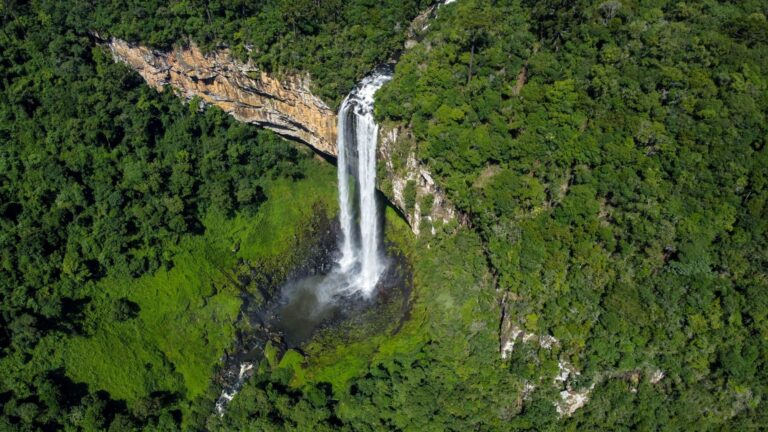
Gramado and the surrounding Serra Gaúcha region in Rio Grande do Sul state represent one of Brazil’s most distinctive travel destinations, offering alpine architecture, wine production, and outdoor activities far removed from the country’s tropical image. Located in southern Brazil’s mountainous terrain, this area attracts both domestic and international travelers seeking cooler climates, European-influenced culture, and access to natural attractions within a compact geographic zone. Understanding how to navigate Gramado and the broader Serra Gaúcha region requires knowledge of its geography, attractions, seasonal patterns, and practical logistics that differ significantly from other Brazilian destinations.
Understanding the Geography and Regional Layout
The Serra Gaúcha, meaning “Gaucho Mountains,” encompasses a highland region in Rio Grande do Sul state characterized by elevations between 600 and 1,200 meters above sea level. Gramado serves as the primary tourist hub within this region, situated approximately 130 kilometers northeast of Porto Alegre, the state capital. The region stretches across several municipalities including Canela, Nova Petrópolis, Bento Gonçalves, and Garibaldi, each offering distinct attractions while maintaining proximity to one another—most towns within the Serra Gaúcha lie within a 50-kilometer radius of Gramado.
The mountainous topography creates natural valleys and plateaus that have historically shaped settlement patterns and economic development. The region’s elevation means temperatures remain significantly cooler than coastal Brazilian destinations, with average temperatures ranging from 12°C in winter months to 22°C during warmer periods. This geographic positioning has made the Serra Gaúcha the primary wine-producing region in Brazil, with the valleys around Bento Gonçalves and Garibaldi supporting thousands of vineyards.
Gramado’s Architecture and Cultural Identity
Gramado’s distinctive character stems from deliberate urban planning that emphasized European architectural styles beginning in the 1970s, transforming a formerly agricultural municipality into a themed destination. The town’s central area features chalets with steep roofs, wooden facades, and Alpine design elements that create an environment resembling a Swiss or Bavarian village rather than a typical Brazilian municipality. This architectural identity was not accidental but resulted from intentional municipal decisions to attract tourism through visual differentiation and cultural branding.
The town’s most recognizable landmark, the Gramado Film Festival (Festival de Cinema de Gramado), has operated since 1973 and ranks among Latin America’s most important film festivals, drawing filmmakers, critics, and cinema enthusiasts from across the hemisphere. The festival’s establishment transformed Gramado from a quiet mountain town into a cultural destination with international recognition. Beyond cinema, Gramado hosts the annual Christmas celebration known as Natal Luz, which runs for extended periods and features light displays, theatrical productions, and holiday markets that attract hundreds of thousands of visitors.
Wine Production and Agritourism in the Serra Gaúcha
The Serra Gaúcha produces approximately 90 percent of Brazil’s wine supply, with the region’s cool climate and volcanic soil providing conditions suitable for both traditional grape varieties and unique Brazilian cultivars. Wine tourism, or agritourism—visiting agricultural properties primarily for leisure and education rather than commercial purchasing—has become a major economic activity across Bento Gonçalves, Garibaldi, and surrounding municipalities. Visitors access vineyards through organized tours, direct visits to wine estates (quintas), and wine-focused restaurants that source exclusively from regional producers.
The Vale dos Vinhedos (Wine Valley) encompasses approximately 600 square kilometers across three municipalities and contains over 40 wineries open to public visitation. Established producers like Casa Valduga, founded in 1913 by Italian immigrants, operate visitor facilities including tasting rooms, restaurants, and accommodation options. Smaller family-run vineyards often provide more intimate experiences, with proprietors conducting personalized tastings and explaining cultivation methods specific to regional microclimates.
Historical Development and European Immigration
The Serra Gaúcha’s cultural and economic character reflects waves of European immigration beginning in the mid-nineteenth century, particularly from Italy, Germany, and Spain. Italian immigrants arrived in substantial numbers after 1875, establishing agricultural communities and introducing viticulture techniques that transformed the region’s economy. German and Spanish settlers followed, each group contributing architectural styles, agricultural practices, and cultural traditions that remain visible in contemporary town design, cuisine, and festivals.
Nova Petrópolis, founded in 1858 by German immigrants, preserves this heritage through architecture and cultural institutions including the Museu Júlio de Castilhos, which documents regional settlement history. The town’s annual Oktoberfest celebration, held for two weeks, attracts over 700,000 visitors and ranks among Brazil’s largest cultural festivals. This event demonstrates how immigrant cultural traditions have become integrated into contemporary regional identity and tourism infrastructure.
Frequently Asked Questions
What is the best way to travel between Gramado and other Serra Gaúcha towns?
Regional buses connect Gramado to Canela (20 kilometers), Bento Gonçalves (60 kilometers), and other municipalities, with frequent daily service operated by regional carriers. Rental cars provide greater flexibility for visiting multiple wineries and attractions in a single day, though mountain roads require careful navigation. Many visitors base themselves in Gramado and take organized day tours to wine regions and other attractions.
When should travelers visit the Serra Gaúcha?
The region operates as a year-round destination with different attractions available throughout the year—film festivals and cultural events occur on established schedules, while wine tastings and outdoor activities remain accessible regardless of temperature. Travelers should research specific events and attractions they plan to visit, as some festivals and seasonal activities operate during particular periods. Weather varies significantly by elevation and time of year, so appropriate clothing preparation depends on planned activities rather than a single “best” visiting period.
How do visitors without Portuguese language skills navigate the region?
Gramado’s tourism infrastructure includes English-speaking staff at major hotels, tour operators, and popular restaurants, though language proficiency decreases in smaller towns and rural wineries. Hiring a local guide through hotel concierge services or tourism operators provides translation and cultural context while supporting local employment. Mobile translation applications and offline language resources help manage basic communication needs when English speakers are unavailable.
The Serra Gaúcha represents a distinctive Brazilian destination shaped by geography, immigration history, and deliberate tourism development, offering travelers alpine landscapes, wine culture, and European-influenced architecture within a compact and accessible region. Successful visits require understanding the region’s layout, recognizing that Gramado functions as a hub for broader exploration, and planning activities around the specific attractions that align with individual interests rather than assuming a single optimal visiting approach.
