
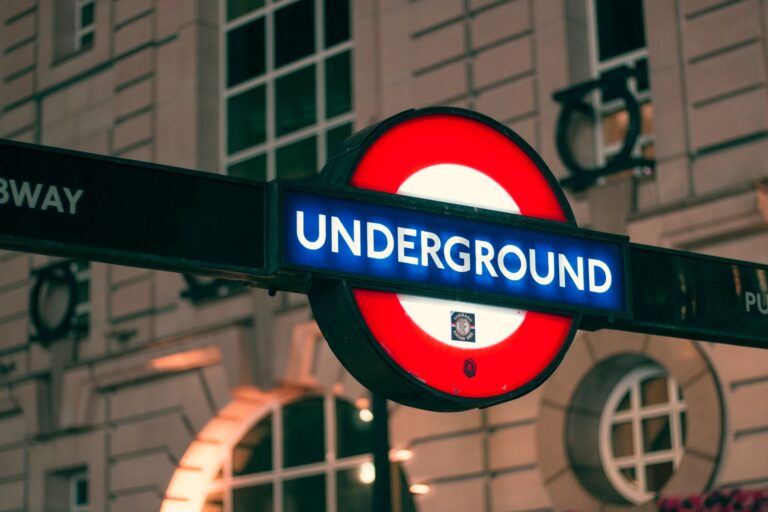
London’s public transport network ranks among the most extensive and efficient systems in the world, moving over 1.3 billion passenger journeys annually across the Underground, buses, trains, and riverboats. Navigating this sprawling capital becomes significantly easier and more affordable when you understand how to use these interconnected services strategically. This guide provides the practical knowledge needed to move through London like a resident, maximizing both time and budget.
Understanding the Oyster Card and Payment Systems
The Oyster Card is a reloadable smartcard that forms the backbone of London transport payments, replacing the need to purchase individual paper tickets for each journey. When you tap the card against a reader at station gates or on buses, the system automatically deducts the appropriate fare based on your journey. This contactless payment method significantly reduces costs compared to buying single tickets, which can cost double the price of using a card.
Transport for London introduced the Oyster Card in 2003, and it has become ubiquitous across the network. A single journey on the Underground during peak hours using an Oyster Card costs £1.75, whereas a paper ticket for the same journey costs £2.80. Visitors can purchase Oyster Cards at any Underground station, airport, or retail location, then load credit onto them as needed.
Mastering the Underground Network and Zones
London’s Underground, commonly called the Tube, consists of 11 colour-coded lines serving 270 stations across six concentric zones radiating outward from central London. Each line specializes in connecting different parts of the city: the Central Line runs east-west through the heart of London, the Northern Line serves the north and south with two branches, and the Circle Line forms a loop around central areas. Understanding which line reaches your destination eliminates confusion and wasted journeys.
The zone system determines fares, with Zone 1 encompassing central London attractions like Westminster, the British Museum, and Tower Bridge. Travel within Zone 1 costs £1.75 during off-peak hours and £2.80 during peak times (Monday to Friday, 06:30–09:30 and 17:00–19:00). A journey spanning two zones costs more, so planning routes that minimize zone crossings can reduce expenses on longer trips.
Strategic Use of Buses for Cost Efficiency and Coverage
London’s bus network comprises over 700 routes covering areas the Underground does not reach, making buses essential for accessing neighborhoods like Notting Hill, Greenwich, and Stratford efficiently. A single bus journey costs £1.75 regardless of distance traveled, making buses exceptionally economical for longer trips that would cost more on the Underground. Buses operate 24 hours daily on many routes, providing transport options when the Tube closes between midnight and 05:00.
The bus network’s design encourages multi-leg journeys without penalty: if you tap your Oyster Card on a bus and then board another bus within one hour, the second journey is free. This “bus hopping” system means you can travel across multiple neighborhoods for a single £1.75 fare. A traveler heading from King’s Cross to Notting Hill could take one bus to Bloomsbury, transfer to another bus toward Paddington, then a third toward Notting Hill, paying only £1.75 total.
Historical Development and Network Integration
London’s public transport system evolved over 160 years, beginning with the Metropolitan Railway in 1863, the world’s first underground railway. The network expanded significantly through the 20th century, with the Victoria Line opening in 1971 as a major north-south connector and the Jubilee Line extended to Canary Wharf in 1999, transforming that former dockland area into a financial district. Modern additions like the Elizabeth Line, which opened in 2022, now provide fast connections between Paddington and Abbey Wood, cutting journey times across the city dramatically.
The integration of different transport modes accelerated after Transport for London unified management in 2000. Previously, the Underground, buses, and rail services operated separately with incompatible payment systems. The introduction of the Oyster Card system unified pricing and made transfers seamless, allowing passengers to combine Underground journeys with buses or overground trains on a single payment structure.
Frequently Asked Questions
How do daily and weekly caps work on Oyster Cards?
Transport for London applies automatic daily and weekly caps to Oyster Card usage, meaning you never pay more than a set maximum regardless of how many journeys you take. A daily cap for Zone 1 travel is £8.50, so if you take multiple journeys totaling more than this amount, you pay only £8.50. Weekly caps (calculated Monday to Sunday) work similarly, capping Zone 1 travel at £42.20 per week.
Which areas of London require separate rail tickets beyond the Oyster system?
The National Rail network, which includes services to areas like Windsor, Hampton Court, and Brighton, operates separately from Transport for London’s Oyster system. These journeys require additional tickets purchased at staffed ticket windows or machines at National Rail stations. However, some routes like the Docklands Light Railway and London Overground do accept Oyster Cards for payment.
What is the most economical pass for short-term visitors?
For visitors staying three days or fewer, loading credit onto an Oyster Card and relying on daily caps provides better value than any multi-day pass. A visitor making five journeys daily for three days spends £25.50 (three days at the £8.50 daily cap), whereas a three-day Travelcard costs £38.70. For longer stays, weekly caps become advantageous after seven days of moderate travel.
London’s public transport system rewards informed navigation, offering affordable movement through one of the world’s largest cities when travelers understand zone structures, payment systems, and route planning. Mastering these fundamentals transforms London from an intimidating metropolis into an accessible destination where every neighborhood connects within minutes.
