
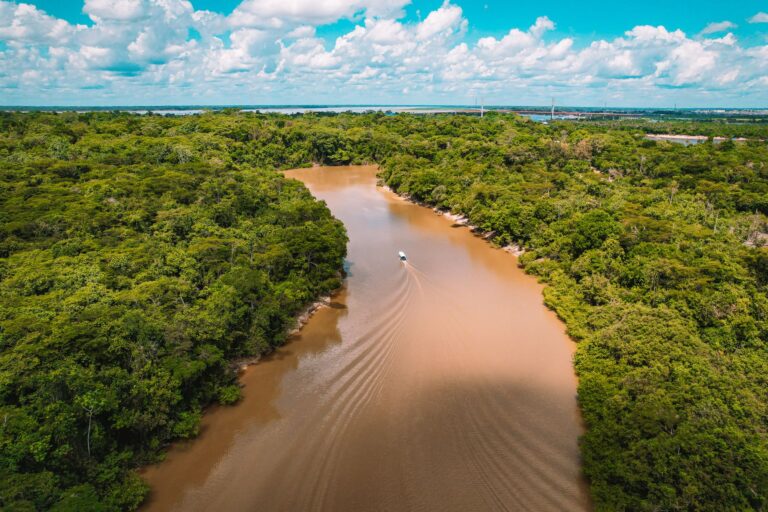
The Amazon Rainforest spans 5.5 million square kilometers across nine countries, with approximately 60 percent of its territory in Brazil, making it the world’s largest tropical rainforest and a destination that attracts thousands of international visitors annually. Safety in the Amazon requires specific preparation that differs fundamentally from standard travel planning, as the region presents unique environmental, health, and logistical challenges. Understanding these requirements before booking transforms the Amazon from an intimidating wilderness into an accessible and manageable destination for travelers willing to invest time in proper planning.
Understanding Amazon Travel Operators and Certification Standards
The foundation of safe Amazon travel rests on selecting a legitimate, established operator rather than attempting independent exploration. Certified tour operators follow standardized safety protocols, maintain emergency communication systems, and employ trained guides who understand jungle medicine and survival procedures. The Brazilian Ministry of Tourism maintains a registry of approved operators, and major cities like Manaus and Porto Velho host dozens of established companies with verifiable track records spanning decades. Operators certified by organizations such as the Brazil Travel & Tourism Association (BTTA) have undergone vetting processes that include safety inspections, guide training verification, and insurance documentation.
Research specific operators through multiple channels before committing funds. Check independent review platforms like TripAdvisor and Google Maps for detailed traveler feedback, verify their registration with Brazilian tourism authorities, and contact previous clients directly when possible. A reputable operator will readily provide references, insurance documentation, and detailed safety briefings before any trip begins.
Health Preparation and Medical Requirements
Medical preparation begins three to six months before departure and represents the most critical safety element for Amazon travelers. Malaria prevention stands as the primary health concern in most Amazon regions, requiring antimalarial medication prescribed by a travel medicine specialist. Yellow fever vaccination is mandatory for entry into Brazilian Amazon territory and provides protection against a disease that killed an estimated 30,000 people annually in the early 20th century before vaccination campaigns reduced transmission rates significantly. Additional routine vaccinations including hepatitis A and B, typhoid, and tetanus should be current before travel.
Consult a travel medicine clinic rather than a standard physician, as these specialists maintain current knowledge of regional disease patterns and medication interactions. The Centers for Disease Control and Prevention (CDC) website provides region-specific health recommendations updated regularly based on disease surveillance data. Travelers should carry medical evacuation insurance, as serious illnesses or injuries in remote areas may require helicopter extraction to major medical centers, a service costing between $50,000 and $250,000 without insurance coverage.
Physical Preparation and Activity Expectations
Amazon travel involves sustained physical activity in hot, humid conditions that test cardiovascular endurance and mental resilience. Most guided tours require walking on uneven terrain for four to six hours daily, navigating slippery mud, roots, and slopes while managing high humidity levels that exceed 80 percent year-round. The physical demands differ significantly from standard hiking due to the combination of heat, moisture, and repetitive challenging terrain that creates cumulative fatigue. Travelers should begin cardiovascular training at least two months before departure, incorporating hill walking, stair climbing, or stationary cycling to build the specific endurance required.
Mental preparation proves equally important as physical conditioning. The Amazon environment produces sensory overload for first-time visitors, with constant insect sounds, limited visibility, unfamiliar wildlife encounters, and isolation from familiar technology. Travelers who understand these psychological dimensions and prepare mentally for discomfort report significantly higher satisfaction levels than those who arrive expecting comfort.
Evolution of Amazon Tourism Safety Standards
Commercial Amazon tourism emerged in the 1970s when the Brazilian government began promoting the region as an international destination, initially with minimal safety regulations. Early tours operated without standardized training, emergency protocols, or guide certification requirements, resulting in numerous incidents that ranged from inadequate medical response to guides lacking wilderness expertise. The 1980s and 1990s saw gradual professionalization as insurance requirements, liability concerns, and competition among operators drove adoption of safety standards. By the early 2000s, major operators had implemented radio communication systems, mandatory guide training programs, and emergency evacuation procedures that transformed tourism safety profiles substantially.
The formation of the Amazon Sustainable Tourism Alliance in the early 2000s established baseline safety and environmental standards that many operators now exceed voluntarily. Contemporary operators like Swallows and Amazons and Rainforest Expeditions maintain safety records with zero fatalities across millions of visitor-days, demonstrating that systematic preparation and professional operations eliminate the majority of serious risks.
Frequently Asked Questions
What is the safest time to visit the Amazon, and does season affect safety considerations?
Safety considerations remain consistent throughout the year, though water levels and accessibility change seasonally. During high water periods, boat travel becomes primary transportation, while dry seasons enable more extensive hiking, but both seasons present different challenges rather than fundamentally safer or more dangerous conditions. Operator experience and preparation matter far more than seasonal timing.
How do I handle encounters with dangerous wildlife, and what animals pose the greatest actual threat?
Serious wildlife attacks on tourists are exceptionally rare, as animals actively avoid humans in most circumstances. Jaguars, anacondas, and caimans present minimal danger to properly guided groups, while mosquitoes and parasites pose statistically greater health risks. Guides teach appropriate behavior around wildlife, which involves maintaining distance and moving quietly rather than attempting interaction or photography.
What vaccinations and medications are non-negotiable before Amazon travel?
Yellow fever vaccination is mandatory and required for entry into Brazil’s Amazon regions, while malaria prevention medication is essential for nearly all jungle destinations. Hepatitis A vaccination and typhoid protection are strongly recommended, though individual risk assessments by travel medicine professionals should guide specific medication choices based on itinerary and personal health history.
Safe Amazon travel requires commitment to preparation rather than spontaneous adventure, with health measures, operator selection, and physical conditioning forming the foundation of successful journeys. Travelers who invest time in these preparations access one of Earth’s most remarkable ecosystems while managing risks to levels comparable with standard international travel.
