
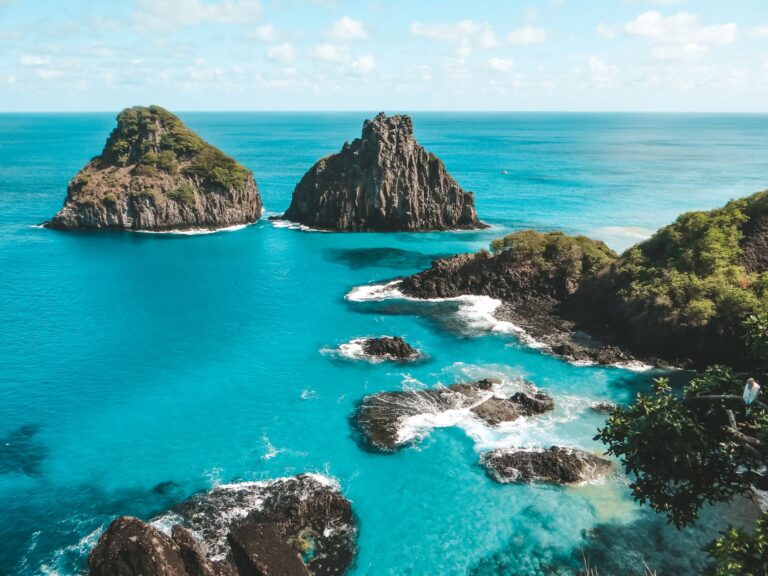
Fernando de Noronha is a Brazilian archipelago located 354 kilometers off the northeast coast of Pernambuco state, comprising 21 islands with a total land area of 26 square kilometers. The islands function as both a national marine park and a national park, making them one of Brazil’s most ecologically protected destinations and a critical habitat for endemic species found nowhere else on Earth. First-time visitors often arrive unprepared for the archipelago’s unique logistics, environmental regulations, and extraordinary biodiversity, making comprehensive advance planning essential for a successful trip.
Understanding Fernando de Noronha’s Geographic and Administrative Status
Fernando de Noronha operates under a distinct administrative framework that sets it apart from mainland Brazil. The archipelago is classified as a federal territory administered by the Brazilian Navy and managed through the Chico Mendes Institute for Biodiversity Conservation. Visitors must understand that approximately 70 percent of the islands are protected as a national park, with access restricted to designated trails and beaches. The remaining area comprises the town of Vila do Nilo, where the archipelago’s 2,600 permanent residents live, along with basic infrastructure including restaurants, pousadas (small guesthouses), and shops.
The islands were first discovered by Portuguese navigator João de Nova in 1503, though the archipelago remained largely uninhabited for centuries due to its remote location and harsh conditions. Brazil established the first permanent settlement in 1737, initially as a political prison and later as a military outpost. Today, the islands maintain their strategic military importance while functioning as one of South America’s premier ecotourism destinations.
Entry Requirements and the Visitor Tax System
Every foreign visitor and Brazilian citizen traveling to Fernando de Noronha must pay a daily environmental preservation tax called the Taxa de Preservação Ambiental (TPA), which funds conservation efforts across the islands. The tax amount varies based on length of stay, with visitors typically paying between 50 and 100 Brazilian reals per day. This tax is mandatory and non-negotiable, collected at the airport upon arrival or through advance online payment before departure from the mainland.
In addition to the environmental tax, visitors require a valid passport and should check visa requirements based on their nationality before booking travel. Brazilian citizens need only a national ID document. The archipelago’s airport, Aeroporto de Fernando de Noronha, receives flights exclusively from Recife on the mainland, operated by regional carriers including TRIP Linhas Aéreas and Azul. Flight availability fluctuates based on weather conditions, as the runway operates without modern instrument landing systems, requiring visual flight conditions for safe landing.
Navigating Wildlife Encounters and Protected Areas
Fernando de Noronha hosts extraordinary marine and terrestrial biodiversity, including species found nowhere else globally. The waters surrounding the archipelago contain over 230 fish species, green sea turtles, spinner dolphins, and various seabird populations. The islands themselves shelter endemic bird species including the Noronha vireo and the Noronha elaenia, both of which exist only within this archipelago. Access to most natural areas requires hiring a licensed guide, a mandatory regulation enforced through the national park authority that ensures visitor safety and environmental protection.
Praia do Sancho, consistently ranked among Brazil’s finest beaches, exemplifies the islands’ ecological value and visitor regulations. This beach remains accessible only via a steep wooden staircase carved into coastal cliffs, limiting daily visitor numbers naturally. The beach’s crystal-clear waters and protected status have made it a focal point for snorkeling and wildlife observation, where swimmers regularly encounter spinner dolphins and sea turtles in their natural habitat.
Historical Development and Conservation Evolution
Fernando de Noronha’s conservation history reflects Brazil’s broader environmental movement. The archipelago was declared a marine national park in 1988, protecting 112 square kilometers of ocean surrounding the islands. This designation followed decades of ecological degradation caused by unregulated fishing, introduced species, and tourism development. The creation of protected status reversed population declines in several species, including spinner dolphins, whose numbers rebounded from critically low levels to stable populations exceeding 1,000 individuals.
In 2001, Brazil expanded protections by establishing the Fernando de Noronha National Park, which covers the terrestrial portions of the islands. This designation marked a watershed moment in Brazilian conservation policy, creating one of the country’s most restrictive protected areas. The combination of marine and terrestrial protections has transformed the archipelago into a living laboratory for understanding ecosystem recovery and species resilience in isolated island environments.
Perguntas Frequentes
Qual é a melhor época para visitar Fernando de Noronha?
Fernando de Noronha experiences warm temperatures year-round, with water temperatures ranging from 26 to 29 degrees Celsius. The period from September through March generally features calmer seas and better visibility for snorkeling and diving, though weather remains variable throughout the year. Visitor numbers fluctuate based on Brazilian school holidays and international vacation periods rather than weather, so advance booking is essential regardless of intended travel dates.
Quanto custa uma viagem típica para Fernando de Noronha?
A typical five-day trip costs between 3,000 and 5,000 Brazilian reals per person, including flights from Recife, accommodation, meals, and park fees. Pousadas range from basic options at 150 reals per night to upscale properties exceeding 400 reals nightly. Guided tours and water activities add additional costs, with snorkeling expeditions typically ranging from 200 to 400 reals per excursion.
É necessário contratar um guia para explorar a ilha?
Licensed guides are mandatory for accessing most trails and protected areas within the national park, with guide fees typically ranging from 300 to 600 reals per day depending on group size and activity type. Guides provide critical information about endemic species, ecological systems, and safe navigation through protected zones. Self-guided visits are permitted only in the town area and specific designated beaches accessible without crossing national park boundaries.
Fernando de Noronha demands careful planning and respect for its strict environmental regulations, yet rewards prepared visitors with unparalleled opportunities to observe wildlife in pristine conditions and understand Brazil’s commitment to ecological preservation. The archipelago represents both a destination and a conservation success story, where visitor fees directly support ongoing protection efforts that have restored species populations and maintained one of South America’s most intact ecosystems.
