
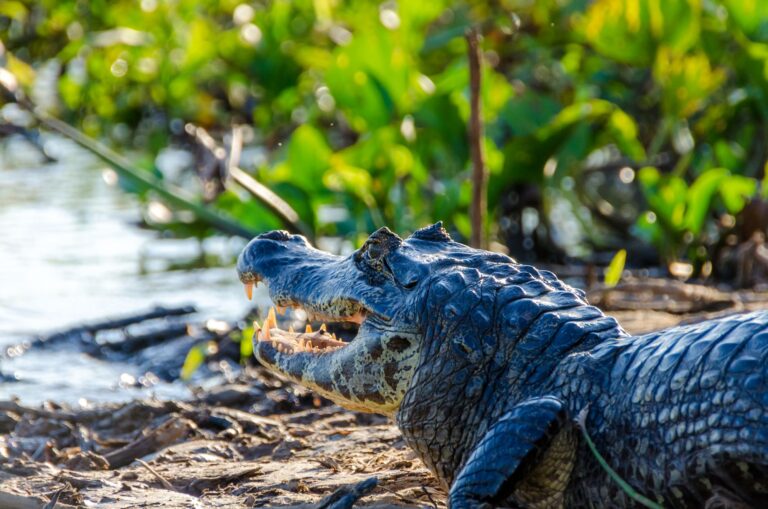
The Pantanal ranks among the world’s largest tropical wetlands, spanning approximately 42,000 square miles across Brazil, Bolivia, and Paraguay. This vast ecosystem supports a wildlife density unmatched in the Western Hemisphere, hosting jaguars, caimans, capybaras, anacondas, and over 650 bird species within its flooded grasslands and forests. For travelers seeking authentic wildlife encounters without the crowds of more famous destinations, the Pantanal offers unparalleled access to pristine nature and budget-friendly lodging options.
Understanding the Pantanal’s Geographic and Ecological Foundation
The Pantanal is a seasonally flooded lowland region in central South America where the Paraguay River and its tributaries create a dynamic landscape that transforms dramatically throughout the year. Unlike rainforests, which remain relatively constant, the Pantanal experiences extreme seasonal variations—the water level can fluctuate by up to 12 feet between wet and dry periods, fundamentally reshaping the terrain and animal behavior. This cyclical inundation creates a unique ecosystem where wetland and savanna characteristics coexist, producing habitat diversity that supports extraordinary biodiversity.
The region covers portions of three countries, with approximately 80 percent located in Brazil, primarily within the states of Mato Grosso and Mato Grosso do Sul. The Pantanal’s formation began during the Quaternary period, roughly two million years ago, when tectonic subsidence created a massive depression that captures seasonal rainfall and river overflow.
Wildlife Encounters and Seasonal Viewing Patterns
The Pantanal’s animal populations concentrate and disperse according to water availability, creating predictable viewing opportunities that differ from rainforest wildlife watching. During the dry season, animals congregate around remaining water sources, making them easier to locate and observe from boats and vehicles. The wet season, conversely, disperses wildlife across the expanded landscape but offers opportunities to witness breeding behaviors, bird nesting, and the region’s full ecological complexity.
Jaguar sightings have become increasingly common in the Pantanal, particularly in the northern region near the Cuiabá River and in areas managed by conservation organizations. Between 2004 and 2020, jaguar populations in the Pantanal increased from an estimated 50 individuals to over 4,000, representing one of the world’s most successful large carnivore recovery stories. This population growth reflects both improved protection efforts and the region’s abundant prey base, which includes capybaras, peccaries, and caimans.
Accommodation Options and Budget Travel Considerations
The Pantanal offers diverse lodging choices across multiple price ranges, from luxury eco-lodges to basic but comfortable fazendas (rural farms that operate as guesthouses). Budget travelers can find accommodations at family-run properties that provide meals, guides, and transportation to wildlife-viewing areas for significantly less than equivalent experiences in other Brazilian destinations. Most lodges include activities such as boat excursions, horseback riding, and guided walks in their rates, eliminating hidden costs.
Pousadas (small inns) in towns like Pocone and Porto Jofre offer affordable multi-day packages that include transportation from regional airports. A typical four-day budget package costs between $400 and $700 USD per person, including accommodation, meals, and guided wildlife tours. Visitors should book lodges directly or through established travel agencies rather than arranging transportation independently, as roads are seasonal and often impassable without proper vehicles.
Conservation History and Modern Protection Efforts
The Pantanal remained relatively isolated and undeveloped until the 1970s, when improved road infrastructure and agricultural expansion began threatening the ecosystem. The Brazilian government established the Pantanal as a Ramsar Wetland of International Importance in 1993, recognizing its ecological significance and triggering conservation initiatives. In 2000, the Pantanal was designated a UNESCO Biosphere Reserve, further strengthening legal protections and supporting research programs.
The Instituto Homem Pantaneiro (Pantanal Human Institute) and similar organizations have documented jaguar movements using GPS collars and camera traps since the late 1990s, providing scientific data that informs protection strategies. Research stations throughout the region contribute to ongoing biodiversity assessments and environmental monitoring that help guide sustainable tourism practices.
Frequently Asked Questions
What is the best time to visit the Pantanal for wildlife viewing?
The dry season, typically lasting from June through October, offers the highest concentration of visible wildlife as animals gather around remaining water sources. However, the wet season from December through March provides different viewing opportunities, including breeding behaviors and bird nesting activity, with fewer tourists and lower accommodation prices.
How do I reach the Pantanal from major Brazilian cities?
Cuiabá, the capital of Mato Grosso state, serves as the primary gateway, with direct flights from São Paulo and Rio de Janeiro. From Cuiabá, most visitors travel by car or organized transfers to lodges in the northern Pantanal (approximately 2-4 hours), while the southern Pantanal near Campo Grande is accessible via a scenic road from the city of Ponta Porã.
Is it safe to swim in the Pantanal’s waters?
Swimming is not recommended due to the presence of caimans, anacondas, and piranhas, though serious incidents with tourists are extremely rare. Lodges maintain designated safe areas for bathing, and guides provide clear safety instructions regarding water-based activities.
The Pantanal delivers transformative wildlife experiences at a fraction of the cost of African safari destinations, with reliable access to jaguars and other megafauna that remain elusive in other tropical regions. Budget-conscious travelers gain the opportunity to witness one of Earth’s most dynamic ecosystems while supporting local communities and conservation initiatives that protect this irreplaceable landscape.
