
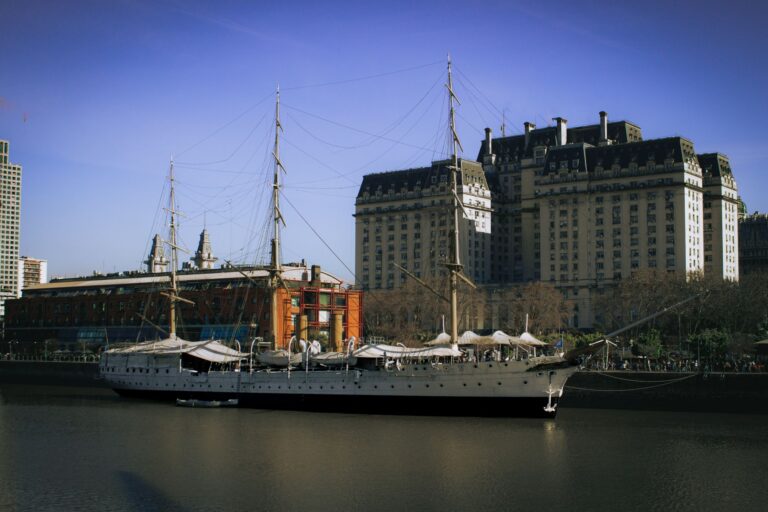
Buenos Aires consistently ranks among South America’s most visited capitals, yet travelers frequently overlook it in favor of Machu Picchu, the Galápagos Islands, or the Amazon Basin. The Argentine capital delivers world-class dining, architecture, culture, and nightlife at a fraction of the cost demanded by other major South American destinations, making it an exceptional value proposition for budget-conscious travelers. Understanding what makes Buenos Aires distinctive—rather than simply a stopover between longer adventures—reveals why this city deserves dedicated exploration rather than a rushed three-day visit.
The European Architecture That Defines a Continent’s Wealth
Buenos Aires earned the nickname “Paris of South America” not through marketing but through deliberate urban planning and architectural investment during the late 19th and early 20th centuries. The city’s neighborhoods showcase distinct European styles imported during Argentina’s economic boom years: Belle Époque mansions in Recoleta, Art Deco buildings in San Telmo, and Catalan modernist structures in La Boca. Walking through barrios (neighborhoods) like Palermo Viejo reveals tree-lined streets where ornate facades from the 1920s stand alongside contemporary galleries and restaurants, creating a living museum of architectural evolution that rivals European cities at significantly lower admission costs.
The 1880 Decree of Beautification, initiated under Mayor Torcuato de Alvear, transformed Buenos Aires from a colonial port town into a cosmopolitan capital modeled on Haussmann’s Paris. This systematic urban redesign created the wide avenues, plazas, and parks that define the city’s layout today. The Teatro Colón, completed in 1908 after 20 years of construction, stands as the hemisphere’s most prestigious opera house and hosts performances ranging from classical ballet to contemporary theater year-round.
Culinary Excellence Without Premium Pricing
Buenos Aires operates as one of the world’s great food destinations, yet a three-course dinner with wine in a respected restaurant costs one-third to one-half what equivalent meals demand in New York, London, or Sydney. The city’s restaurant culture developed from waves of Italian, Spanish, and Jewish immigration during the 19th century, creating hybrid cuisines that evolved into distinctly Argentine traditions. Parrillas (steakhouses) serve grass-fed beef from the Pampas region that matches quality standards of premium establishments globally, while neighborhood trattorias and cafés deliver multi-course meals for under $15 USD per person.
The asado (outdoor barbecue tradition) shapes Argentine identity and dining culture more profoundly than any single dish shapes other nations’ food identities. Travelers can access this tradition through cooking classes, private asado experiences, or simply by dining at parrillas throughout the city where techniques perfected over generations remain unchanged. Markets like Feria de Mataderos, held weekends in the southwestern neighborhood of Mataderos, showcase traditional Argentine food culture alongside gaucho (cowboy) demonstrations and folk music performances.
Tango as Living Culture Rather Than Tourist Performance
Tango exists in Buenos Aires as an active cultural practice woven into daily life, not merely a spectacle performed for visitors in themed venues. The dance originated in the working-class neighborhoods of La Boca and San Telmo during the 1880s, emerging from African, Italian, and Spanish musical traditions. Unlike destinations where cultural traditions calcify into fixed performances, Buenos Aires maintains tango as an evolving art form taught in neighborhood studios, danced in milongas (informal dance halls) where locals gather, and performed in contemporary contexts that extend beyond historical recreation.
Travelers can participate in tango culture through multiple entry points: group lessons at studios like El Querandí or Piazzolla Tango, attendance at milongas where locals dance (often for entry fees under $5 USD), or performances at venues ranging from intimate cafés to formal concert halls. The Museo del Tango, located in the San Telmo neighborhood, documents tango’s evolution through photographs, instruments, and historical recordings spanning from the 1890s to contemporary compositions.
Literary and Artistic Heritage Spanning Centuries
Buenos Aires produced some of Latin America’s most influential writers, artists, and intellectuals whose work shaped continental culture. Jorge Luis Borges, arguably the 20th century’s most significant Spanish-language author, spent his life in Buenos Aires and set many stories in the city’s neighborhoods and streets. The city’s literary culture extended through figures including Julio Cortázar, Adolfo Bioy Casares, and Silvina Ocampo, who collectively defined Argentine letters and influenced writers across the Spanish-speaking world. Contemporary bookstores, literary cafés, and publishing houses continue this tradition, making Buenos Aires a destination for readers and writers seeking creative inspiration.
The city’s visual arts scene flourished alongside its literary culture, producing painters like Antonio Berni, who documented working-class life through murals and large-scale canvases now displayed in museums throughout the city. The Museo Nacional de Bellas Artes houses Latin America’s largest collection of Argentine art spanning from colonial religious works to contemporary installations, with free admission to permanent collections. Street art in neighborhoods like Palermo and La Boca represents contemporary expression of this artistic heritage, with murals by artists such as Blu and Jemelo creating outdoor galleries accessible throughout the city.
Frequently Asked Questions
What is the best time to visit Buenos Aires for budget travelers?
Buenos Aires functions as a year-round destination with relatively consistent pricing, though shoulder seasons (April-May and September-October) offer mild weather and fewer crowds than peak summer months (December-February). Winter (June-August) brings lower accommodation prices and smaller tourist crowds, though temperatures drop to the 50s Fahrenheit (10-15 Celsius) and some attractions operate reduced hours.
How does Buenos Aires compare in cost to other South American capitals?
Buenos Aires typically costs 20-30% more than Lima or Bogotá but significantly less than Caribbean destinations or Brazilian beach cities. Budget travelers can eat well, access quality accommodations in central neighborhoods, and enjoy cultural activities for daily budgets of $40-60 USD per person, comparable to other major continental capitals.
Can visitors experience authentic tango without expensive tourist shows?
Yes—attending milongas where locals dance costs $3-8 USD for entry, group tango lessons at neighborhood studios run $10-15 USD per session, and street performances throughout San Telmo and La Boca neighborhoods are free. These options provide genuine cultural participation rather than staged performances designed exclusively for tourists.
Buenos Aires rewards travelers who move beyond guidebook highlights to explore neighborhoods, participate in local cultural practices, and engage with the city’s intellectual and artistic traditions. The combination of European architecture, world-class cuisine, living artistic heritage, and genuine affordability positions Buenos Aires as South America’s most complete city destination—one that satisfies cultural travelers, food enthusiasts, architecture lovers, and budget-conscious explorers simultaneously.
