
New York City attracts millions of visitors annually, yet the reputation for astronomical costs deters budget-conscious travelers from experiencing one of the world’s most dynamic urban destinations. Strategic planning and knowledge of free and low-cost attractions allow visitors to explore world-class museums, iconic landmarks, and diverse neighborhoods without exhausting their travel funds. This guide provides practical strategies for experiencing NYC’s culture, food, and attractions while maintaining disciplined spending.
Understanding NYC’s Neighborhood Structure and Free Walking Routes
New York City comprises five boroughs—Manhattan, Brooklyn, Queens, The Bronx, and Staten Island—each with distinct character and budget-friendly exploration opportunities. Walking remains the most economical way to experience neighborhoods, as it costs nothing and reveals street-level details that paid tours often miss. Manhattan’s grid system, established by the Commissioners’ Plan of 1811, makes navigation straightforward: numbered streets run east-west while avenues run north-south, allowing visitors to orient themselves without purchasing maps or hiring guides.
The Lower East Side, once a tenement district housing Eastern European immigrants in the late 1800s, now offers affordable ethnic restaurants, vintage shops, and historic sites accessible on foot. Walking the High Line, a 1.45-mile elevated park built on a former railroad line and opened to the public in 2009, costs nothing and provides views of Chelsea, the Hudson River, and contemporary art installations. Similarly, the Brooklyn Bridge pedestrian walkway offers free access to views of Manhattan’s skyline and connects to DUMBO (Down Under the Manhattan Bridge Overpass), a neighborhood with street art, vintage shops, and affordable eateries.
Maximizing Museum Access Through Strategic Passes and Pay-What-You-Wish Hours
Major museums including the Metropolitan Museum of Art, the American Museum of Natural History, and the Museum of Modern Art (MoMA) offer pay-what-you-wish hours, meaning visitors can enter by contributing any amount they choose, including a nominal fee. The Metropolitan Museum of Art, founded in 1870, operates on a suggested admission model for New York residents and students, allowing flexible payment based on visitor circumstances. Many museums designate specific evening hours when admission becomes optional or reduced, typically between 4 PM and 9 PM on designated weekdays.
The New York Public Library’s main branch, the Stephen A. Schwarzman Building located at Fifth Avenue and 42nd Street, offers free exhibitions, reading rooms, and architectural tours. Built in 1911, this Beaux-Arts building houses rare manuscripts, maps, and historical documents accessible to the public without charge. Smaller museums in specialized neighborhoods often charge $5 to $10 per person, making them economical alternatives to flagship institutions.
Strategic Dining: Street Food, Markets, and Ethnic Neighborhoods
Street food vendors operating throughout Manhattan and outer boroughs provide authentic meals at $3 to $8 per item, substantially lower than sit-down restaurants. Halal carts, a fixture of NYC streets since the 1980s, serve chicken and lamb over rice with vegetables and sauce for approximately $6 to $7. Pizza by the slice costs $2 to $4 at neighborhood pizzerias, while ethnic neighborhoods—Chinatown, Little Italy, Jackson Heights in Queens, and Sunset Park in Brooklyn—offer restaurant meals for $8 to $12.
Visiting public markets like the Union Square Greenmarket, operating since 1976, allows travelers to purchase fresh produce, prepared foods, and artisanal goods directly from vendors at lower prices than supermarkets. The Smorgasburg food market in Williamsburg, Brooklyn, features dozens of food vendors offering international cuisines for $5 to $15 per item. Grocery stores including Trader Joe’s and Whole Foods offer prepared food sections where travelers can assemble meals for $10 to $15.
Transportation Economics and Multi-Day Pass Strategies
The Metropolitan Transportation Authority (MTA) operates the subway system, which opened in 1904 and now spans 245 miles with 472 stations across the five boroughs. A single subway ride costs $2.90, but purchasing a 7-Day Unlimited Ride MetroCard for $33 provides unlimited subway and bus access, making it economical for visitors staying longer than five days. Day Passes costing $13 work for visitors spending one intensive day exploring multiple neighborhoods, though the math favors weekly passes for longer stays.
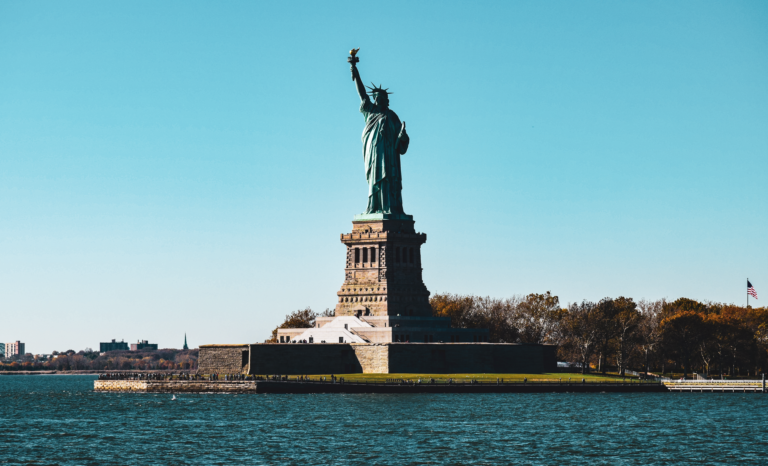
Walking and biking represent free alternatives to paid transportation for short distances. Citi Bike, a bike-sharing system launched in 2013, charges $3.50 for single 30-minute rides or $15 for a 24-hour pass, making it economical for exploring waterfront areas and parks. The Staten Island Ferry, operating since 1905, offers free round-trip passage and provides views of the Statue of Liberty, Ellis Island, and Lower Manhattan skyline from the water.
Historical Context: How Budget Travel in NYC Evolved
New York City’s reputation as an expensive destination solidified during the 1980s and 1990s, when gentrification transformed working-class neighborhoods into luxury residential areas. However, budget travel infrastructure expanded significantly after the 2001 terrorist attacks when tourism declined and the city implemented initiatives to attract visitors across all budget levels. The development of the High Line park, the expansion of museum pay-what-you-wish programs, and the proliferation of food carts and ethnic restaurants reflected a deliberate strategy to maintain NYC’s accessibility to diverse visitor profiles.
The Occupy Wall Street movement of 2011 drew international attention to income inequality in New York City, subsequently increasing awareness of budget travel options among younger travelers. Simultaneously, neighborhoods like Astoria in Queens and Sunset Park in Brooklyn developed robust tourism infrastructure despite maintaining affordability, offering visitors cultural experiences without premium pricing. These neighborhoods now attract budget-conscious travelers seeking authentic experiences beyond Manhattan’s commercial core.
Frequently Asked Questions
What are the best free attractions in New York City?
The Statue of Liberty’s grounds are accessible by ferry, though the ferry itself costs $24 for adults. Free attractions include walking the Brooklyn Bridge, exploring Times Square, visiting the New York Public Library’s main branch, and accessing the High Line elevated park. Many churches, including St. Patrick’s Cathedral and Trinity Church, offer free entry to visitors during designated hours.
How much should I budget daily for food in New York City?
Budget travelers can eat for $20 to $30 daily by combining street food, market purchases, and ethnic restaurant meals. Street food and pizza by the slice provide meals for $5 to $8, while sit-down ethnic restaurants cost $10 to $15 per person. Grocery stores and food markets offer additional savings for travelers with access to kitchen facilities.
Is the subway safe for tourists traveling alone?
The subway operates 24 hours daily and carries 5.7 million riders per weekday, with security measures including cameras and transit police throughout the system. Travelers should follow standard urban transit safety practices: remain aware of surroundings, avoid displaying valuables, and use well-lit stations. The system functions reliably for tourists and locals alike across all five boroughs.
New York City accommodates budget travelers through strategic use of public transportation, neighborhood walking routes, pay-what-you-wish museum hours, and affordable ethnic dining options. Visitors who prioritize walking, utilize transit passes effectively, and explore outer boroughs experience authentic NYC culture while maintaining disciplined spending throughout their stay.
