
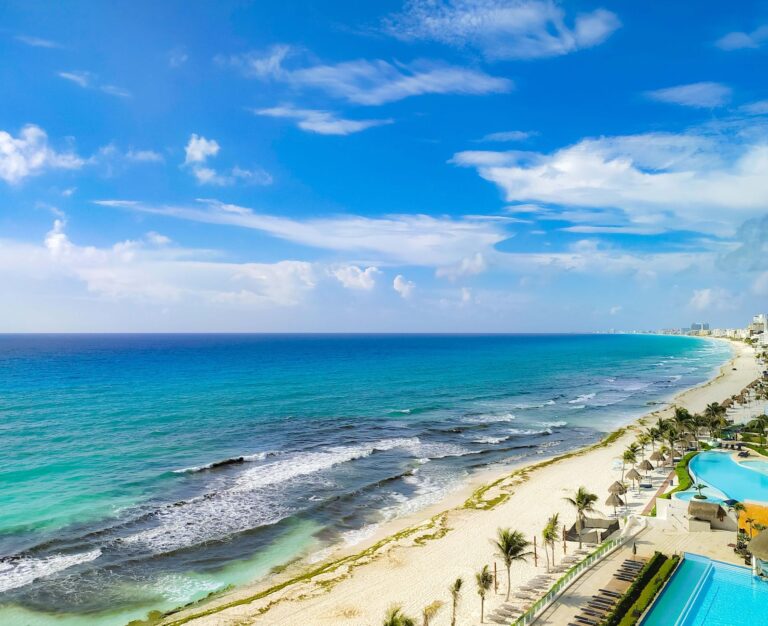
Cancún and the Riviera Maya attract millions of travelers annually, making timing a critical factor in shaping your experience and budget. The region’s tropical climate creates distinct seasonal patterns that affect weather conditions, accommodation prices, and crowd levels throughout the year. Understanding these patterns helps travelers align their visit with their priorities, whether seeking optimal weather, budget-friendly rates, or cultural experiences.
Understanding Cancún’s Climate and Seasonal Patterns
Cancún operates on a tropical climate characterized by warm temperatures year-round, with two primary seasons: dry and wet. The dry season, running from November through April, brings lower humidity, minimal rainfall, and comfortable temperatures ranging from 75 to 85 degrees Fahrenheit. The wet season, extending from May through October, features higher humidity, afternoon thunderstorms, and temperatures between 80 and 90 degrees Fahrenheit. These seasonal shifts directly influence visitor behavior, accommodation availability, and the overall quality of outdoor activities.
Historical climate records show that Cancún receives approximately 63 inches of annual rainfall, with the heaviest precipitation occurring between September and October. The Mexican government’s National Meteorological Service documents that humidity levels reach their peak during the wet season, often exceeding 80 percent, which affects how comfortable visitors feel during daytime exploration. Understanding these baseline conditions allows travelers to set realistic expectations for their trip.
The Dry Season: Peak Tourism and Higher Costs
The dry season from November through April represents the peak tourism period for Cancún and the Riviera Maya, when weather conditions are most favorable and crowds reach their maximum levels. During this period, hotel rates increase significantly, with properties charging premium prices during the winter months when North American and European travelers seek warm-weather escapes. Restaurant reservations become harder to secure, popular attractions develop longer queues, and beaches become noticeably more crowded. However, this season guarantees the most reliable weather for beach activities, water sports, and archaeological site exploration.
The winter months of December and January see the highest visitor volumes, with hotels across the region operating near full capacity. During the Christmas and New Year holidays specifically, accommodation prices can double or triple compared to shoulder-season rates, reflecting the intense demand from international travelers. A standard beachfront hotel room that costs $120 per night in September might command $300 per night during late December.
The Wet Season: Budget Opportunities and Trade-offs
The wet season from May through October presents a contrasting travel scenario characterized by significantly lower prices, fewer tourists, and the trade-off of occasional rain and higher humidity. Hotel rates drop substantially during these months, with many properties offering discounts of 30 to 50 percent compared to peak-season pricing. The reduced visitor volume means shorter lines at attractions, more personalized service at restaurants, and easier access to popular beach areas. Travelers prioritizing budget flexibility and tolerance for afternoon showers can experience the region authentically while spending considerably less.
The months of May, June, and September typically offer the steepest discounts, as these periods fall outside major holiday breaks. Many all-inclusive resorts reduce their rates during these months to maintain occupancy levels, making luxury accommodations more accessible to budget-conscious travelers. The rainfall during the wet season typically arrives in short, intense afternoon bursts rather than all-day precipitation, leaving mornings clear for exploration and beach time.
Hurricane Season Considerations and Historical Context
The Atlantic hurricane season runs from June through November, with peak activity occurring between August and October, creating a significant risk factor for travel planning in the Riviera Maya. While direct hurricane impacts on Cancún are relatively rare due to the region’s southern location and natural barriers, tropical storms and severe weather do occur during this window. The Mexican government maintains sophisticated warning systems and evacuation protocols developed over decades of experience managing tropical weather events. Modern construction standards in the hotel and resort industry reflect lessons learned from past hurricanes, with reinforced structures and emergency procedures now standard practice.
Hurricane Wilma in 2005 caused substantial damage to Cancún’s infrastructure and tourism facilities, leading to significant improvements in building codes and emergency preparedness throughout Quintana Roo state. The recovery process took several months, but the region’s resilience and the tourism industry’s investment in disaster prevention have made future occurrences less catastrophic. Travel insurance that covers weather-related cancellations becomes particularly valuable during the August-through-October window, offering financial protection against potential trip disruptions.
Shoulder Seasons: The Strategic Middle Ground
The shoulder seasons—April through May and October through November—represent strategic periods that balance weather reliability, pricing, and crowd levels. April and May offer warm, dry weather with gradually decreasing prices as the peak season ends, making these months ideal for travelers seeking good weather without peak-season expenses. October and November mark the transition from wet to dry season, with improving weather conditions and significantly reduced prices as the region prepares for the winter tourist influx. These periods attract experienced travelers who understand the region’s seasonal dynamics and prioritize value.
Easter week in April, a major holiday in Mexico and throughout the Catholic world, creates a temporary spike in visitors and prices during the shoulder season. Outside of this specific holiday period, April offers excellent value with daytime temperatures in the low 80s and minimal rainfall. Similarly, November sees progressively better weather as the month progresses, with visitor numbers and prices remaining moderate compared to December’s surge.
Activity-Specific Seasonal Considerations
Different activities within the Riviera Maya have their own seasonal optimization windows beyond general weather patterns. Snorkeling and diving conditions are optimal during the dry season when water visibility reaches 100 feet or more, as opposed to the wet season when visibility drops to 30 to 50 feet due to increased rainfall runoff. Cenote exploration, the region’s famous freshwater sinkholes, remains excellent year-round but benefits from the dry season’s lower humidity during cave exploration. Birdwatching enthusiasts find the region most productive during the dry season when migratory species from North America arrive in substantial numbers.
The Sian Ka’an Biosphere Reserve, a UNESCO World Heritage Site located south of Tulum, experiences its richest wildlife activity during the dry season when water sources concentrate animals in specific locations. Flamingo populations, which make the reserve a premier birdwatching destination, are most visible and active from November through March when breeding occurs and food sources concentrate in the shallow lagoons.
Frequently Asked Questions
What is the absolute best month to visit Cancún?
November and early December offer the optimal combination of excellent weather, moderate prices, and manageable crowds, as the region transitions from shoulder season into peak tourism. If budget is a priority, May or September provide the lowest prices with acceptable weather conditions, though afternoon rain becomes more frequent.
Is it safe to visit during hurricane season?
Direct hurricane impacts on Cancún are uncommon due to its southern location and natural barriers, though tropical storms do occur. Purchasing travel insurance that covers weather-related cancellations and monitoring weather forecasts provides adequate protection for travel during June through November.
When should I avoid visiting Cancún?
December 20 through January 2 represents the most crowded and expensive period due to winter holidays and New Year celebrations. If you prefer fewer crowds and lower prices while maintaining good weather, avoid these specific weeks and consider visiting in early December or late January instead.
The decision of when to visit Cancún and the Riviera Maya ultimately depends on individual priorities regarding weather, budget, and crowd preferences. Travelers seeking guaranteed sunshine and don’t mind peak-season prices should plan for November through April, while those prioritizing affordability and cultural authenticity can experience the region equally well during the shoulder and wet seasons with appropriate planning and flexibility.
