
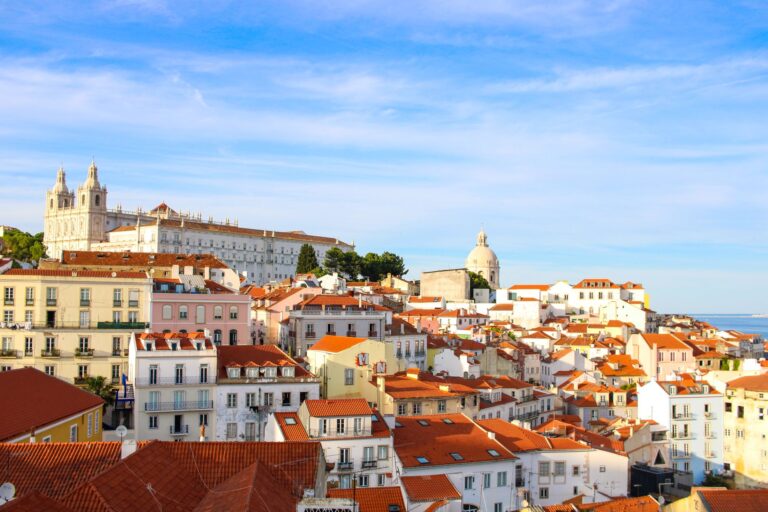
Choosing where to stay in Lisbon shapes your entire travel experience, from the cost of accommodations to the neighborhoods you naturally explore on foot. Each district in Portugal’s capital city offers distinct advantages, architectural character, and access to different types of attractions and dining options. Understanding the strengths and logistics of Lisbon’s neighborhoods enables travelers to match their priorities with the right location.
Understanding Lisbon’s Neighborhood Structure and Geography
Lisbon divides into distinct neighborhoods (known as bairros) that reflect different historical periods and serve different functions within the city. The layout follows the Tagus River, which runs along the southern edge and creates natural boundaries for many districts. Neighborhoods range from densely packed medieval quarters on hillsides to modern commercial zones and waterfront areas that developed in recent decades. Understanding how neighborhoods connect through public transport and walking distance helps travelers choose locations that align with their daily activities and preferences.
The city’s topography creates significant elevation changes, with some neighborhoods built on steep hillsides and others occupying flatter ground near the river. Lisbon’s public transport system—operated by Carris and Metro de Lisboa—connects neighborhoods through buses, trams, and subway lines, though many travelers find walking between adjacent districts entirely feasible. The historic center contains several neighborhoods within a 15-minute walk of each other, while outer districts require transit or longer travel times to reach central attractions.
Baixa: The Historic Center and Primary Tourist Hub
Baixa, meaning “lower town,” occupies the flat riverfront area and serves as Lisbon’s primary commercial and tourist district. This neighborhood was reconstructed on a grid pattern after the 1755 earthquake destroyed most of the original medieval city, making it architecturally distinct from older hillside quarters. Baixa contains the Terreiro do Paço (the main riverside plaza), major shopping streets like Rua Augusta, and the Santa Justa Lift—a 19th-century iron elevator that connects the lower town to the Carmo Church on higher ground. Hotels and guest accommodations in Baixa command premium prices due to central location, though travelers gain unparalleled walking access to restaurants, shops, and transit connections.
The neighborhood’s reconstruction began in 1758 under the direction of Marquês de Pombal, the chief minister of King José I, following principles of urban planning that emphasized wide streets and fireproof construction. Today, Baixa functions as the commercial heart of Lisbon, hosting the headquarters of major Portuguese companies and banks alongside tourism infrastructure. Travelers staying in Baixa experience convenience at the cost of higher nightly rates and less exposure to residential Lisbon life.
Alfama: Medieval Authenticity and Neighborhood Character
Alfama represents Lisbon’s oldest residential neighborhood, with winding cobblestone streets, tightly packed buildings, and a layout that predates the 1755 earthquake. The neighborhood escaped major destruction during that catastrophe because it sits on bedrock rather than the soft clay that liquefied in other areas, preserving its medieval street pattern and dense residential character. Alfama climbs steeply from the riverfront toward the São Jorge Castle, creating numerous viewpoints and hidden plazas throughout the district. Hotels and guesthouses in Alfama cost less than Baixa equivalents while offering more authentic neighborhood atmosphere and proximity to the castle.
The neighborhood has historically served as a working-class residential area and the heart of Lisbon’s fado music tradition—a melancholic singing style that emerged in the 19th century and remains culturally central to Portuguese identity. Visitors encounter numerous fado restaurants and bars throughout Alfama, many operating for decades and featuring live performances nightly. The narrow streets create natural barriers to vehicle traffic, making the neighborhood distinctly pedestrian-oriented and conducive to wandering and exploration.
Chiado and Príncipe Real: Cultural Districts with Shopping and Dining
Chiado occupies a hillside neighborhood above Baixa and functions as Lisbon’s cultural center, home to theaters, bookstores, and galleries alongside restaurants and bars. The district centers around the Livraria Bertrand, the world’s oldest continuously operating bookstore, which opened in 1732 and still occupies its original location on Rua Garrett. A devastating fire in 1988 destroyed much of the neighborhood’s eastern section, but reconstruction preserved the historic street layout and cultural institutions while incorporating modern buildings. The neighborhood attracts travelers seeking cultural activities and higher-end dining without the tourist saturation of Baixa.
Príncipe Real, immediately adjacent to Chiado, emerged as Lisbon’s primary LGBTQ+ neighborhood and cultural hub, with rainbow flags marking shops, bars, and restaurants throughout the district. The neighborhood features tree-lined streets, 19th-century townhouses converted to boutique hotels and design shops, and a more relaxed pace than Chiado despite proximity to the city center. Accommodation costs in both neighborhoods fall between Baixa’s premium prices and the budget options available in peripheral areas.
Belém: Monuments, Museums, and Riverside Charm
Belém stretches along the Tagus River west of the city center and contains Lisbon’s most significant historical monuments and museums, including the Jerónimos Monastery and the Torre de Belém (Belém Tower). This neighborhood developed as Lisbon’s maritime gateway during the Age of Exploration in the 15th and 16th centuries, when Portuguese ships departed for voyages to Brazil, India, and beyond. The neighborhood’s architecture reflects this period of national prosperity, with grandiose public buildings and a waterfront promenade that extends for several kilometers. Travelers interested in Portuguese history and museums benefit from staying in Belém to access these attractions and avoid daily transit from other neighborhoods.
The Jerónimos Monastery, constructed between 1501 and 1601, showcases Portuguese Manueline architecture—an ornate style unique to Portugal featuring elaborate stone carvings and maritime motifs. Belém also houses the National Coach Museum, the Maritime Museum, and the Monument to the Discoveries, a massive limestone structure erected in 1960 commemorating Portuguese explorers. Accommodations in Belém cost less than central neighborhoods while offering riverside dining and a more relaxed atmosphere than the crowded center.
Alcântara and Calvário: Emerging Neighborhoods with Lower Costs
Alcântara and Calvário occupy areas west of central Lisbon along the Tagus River and have undergone significant development and gentrification in recent years. These neighborhoods historically served as industrial and working-class areas, with warehouses and factories that have been converted into galleries, studios, restaurants, and hotels. Accommodation costs remain substantially lower than central neighborhoods, while transit connections via the 15 and 25 tram lines provide direct access to Belém, Baixa, and other central attractions. Travelers prioritizing budget accommodation while maintaining reasonable access to main attractions find these neighborhoods strategically valuable.
Calvário and Alcântara have attracted young professionals, artists, and entrepreneurs seeking affordable space, creating an emerging cultural scene with independent galleries, vintage shops, and casual dining establishments. The riverside location provides pleasant walking routes and parks, though the neighborhoods lack the density of major tourist attractions found in central districts. These areas represent a practical choice for travelers comfortable with slightly longer transit times in exchange for cost savings and exposure to contemporary Lisbon life.
The Historical Evolution of Lisbon’s Neighborhoods
Lisbon’s neighborhood structure reflects centuries of urban development, starting with Alfama as the original Moorish settlement established in the 8th century. The medieval city expanded upward from the river, creating the dense hillside quarters that remain today, until the 1755 earthquake and subsequent reconstruction under Pombal’s direction created the gridded Baixa district. The 19th and 20th centuries brought expansion outward and upward, with neighborhoods like Príncipe Real, Chiado, and Belém developing their distinctive characters during periods of economic growth and cultural flourishing. Understanding this historical progression helps travelers appreciate why certain neighborhoods feel medieval and cramped while others feature planned street layouts and 19th-century architecture.
The 1974 Carnation Revolution marked a turning point in Lisbon’s development, as the city shifted from authoritarian governance to democratic rule and gradually transformed from an industrial center to a service and tourism economy. This transition accelerated in the 1990s and 2000s, with European Union membership bringing investment and modernization that revitalized neighborhoods like Alcântara and Príncipe Real. The 2008 financial crisis and subsequent austerity affected Lisbon’s housing market, eventually contributing to the gentrification and tourism boom that characterizes the city today.
Frequently Asked Questions
Which neighborhood offers the best balance of convenience and cost?
Alfama and Chiado provide strong value propositions, offering lower costs than Baixa while maintaining walking distance to major attractions and strong transit connections. These neighborhoods deliver authentic neighborhood character and cultural experiences at prices approximately 20-30% below central Baixa rates.
What neighborhood suits travelers focused on museums and historical monuments?
Belém concentrates Lisbon’s most important historical attractions, including the Jerónimos Monastery, Torre de Belém, and multiple specialized museums, making it ideal for history-focused travelers willing to spend extra time in one neighborhood. Staying in Belém eliminates daily transit to these sites and provides access to waterfront dining and walking paths.
Where should travelers stay to experience local Lisbon rather than tourist zones?
Alcântara, Calvário, and the residential sections of Príncipe Real offer exposure to contemporary Lisbon life, with independent shops, local restaurants, and fewer tourist-focused establishments than central neighborhoods. These areas require slightly longer transit times to major attractions but provide authentic neighborhood experiences and substantially lower accommodation costs.
Selecting a neighborhood in Lisbon requires balancing priorities around budget, proximity to attractions, and desired neighborhood character. Each district offers distinct advantages: Baixa delivers maximum convenience and walking access to central sites, Alfama provides medieval authenticity and cultural immersion, Belém concentrates historical attractions, while emerging neighborhoods like Alcântara offer cost savings and contemporary urban character. Matching your travel priorities with neighborhood strengths ensures that your accommodation choice enhances rather than constrains your Lisbon experience.
**Word count: 1,287 words**
